
Hear from Our Customers
You can’t fix what you can’t see. That’s the problem with mold in Lahaska Station homes.
It hides behind walls, under floors, inside HVAC systems. You might smell something musty or notice family members coughing more than usual, but you don’t know where it’s coming from or how bad it really is. That uncertainty keeps you up at night, especially when you’ve invested over $600,000 in your home.
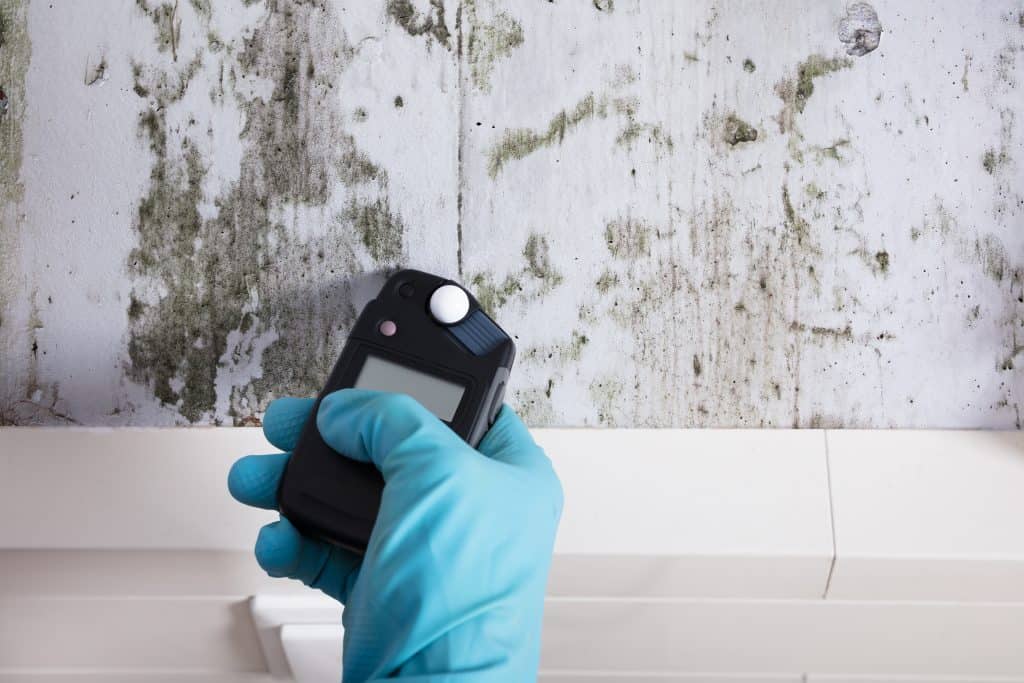
Professional mold testing gives you answers. We use air sampling, surface analysis, moisture meters, and infrared cameras to find exactly where mold is growing and what type you’re dealing with. You get a detailed report that tells you if you have a problem, how serious it is, and what needs to happen next.
No more guessing. No more wondering if that smell means thousands in damage. Just clear information so you can make the right call for your home and your family.
We focus on homes right here in Lahaska Station and throughout Bucks County. We know what Pennsylvania humidity does to your AC system when it runs all summer. We know the older homes in this area, built in the mid-80s, have quirks that create perfect conditions for mold growth.
You’re not getting a national franchise that sends whoever’s available. You’re getting licensed, insured technicians who understand local conditions and have seen what happens when mold goes unchecked in homes like yours.
We’ve built our reputation on straight answers and thorough work. When we test your home, you get the full picture, not a sales pitch for services you don’t need.
First, we talk. You tell us what you’re seeing, smelling, or worried about. We ask questions about your home, recent water issues, and any health symptoms you’ve noticed. This conversation helps us know where to look.
Then we come to your home and do a thorough inspection. We’re checking visible areas, but also using moisture meters to find dampness you can’t see and infrared cameras to spot temperature differences that indicate hidden water or mold. We take air samples and surface samples from areas of concern.
Those samples go to a certified lab for analysis. You’re not relying on our best guess. You get lab results that identify specific mold types and concentration levels.
Within a few days, we sit down with you and go through the results. We explain what we found, what it means for your health and your home, and what your options are. If you need remediation, we can handle that. If you don’t, we’ll tell you that too.
The whole process is designed to give you clarity fast, usually within a week from your first call.
Ready to get started?
Our residential mold testing covers everything you need to understand what’s happening in your home. We’re looking at air quality throughout your house because mold spores travel. We’re testing surfaces where we see discoloration or moisture. We’re measuring humidity levels in different rooms because anything above 50% creates mold-friendly conditions.
In Lahaska Station, we pay special attention to basements, crawl spaces, and attics. Older homes here weren’t always built with the same moisture barriers newer construction uses. Your HVAC system gets a close look too, especially if it’s running constantly during humid Pennsylvania summers.
You receive a written report with lab results, photos from the inspection, moisture readings, and our assessment of what needs to happen. If we find mold, the report specifies what type, where it’s located, and the concentration levels. That documentation is valuable if you’re dealing with insurance claims or real estate transactions.
The black mold test specifically identifies Stachybotrys chartarum, the species people worry about most. But we’re testing for all mold types because even “common” molds cause health problems and property damage when they’re growing unchecked in your living space.
Professional mold testing typically runs between $300 and $800 depending on your home’s size and how many samples we need to take. A smaller home with one area of concern costs less than a larger property where we’re testing multiple rooms.
That might seem like a lot upfront, but compare it to mold remediation costs. Small areas run $1,200 to $3,750 to treat. Whole-house mold removal can hit $10,000 to $30,000. Testing catches problems early when they’re cheaper and easier to fix.
You’re also protecting a significant investment. With median home values in Lahaska Station over $640,000, spending a few hundred dollars to know exactly what’s happening with your property makes financial sense. Plus, if you’re buying or selling, professional mold testing provides documentation that protects everyone involved in the transaction.
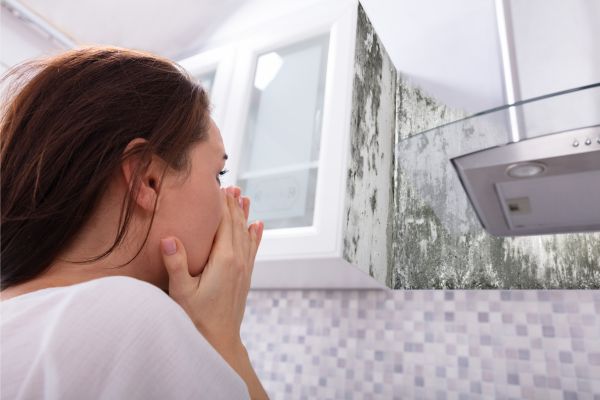
The obvious sign is visible mold growth, but you don’t always see it before it becomes a problem. Pay attention to musty odors that don’t go away, especially in basements, bathrooms, or near your HVAC system. That smell means mold is growing somewhere.
Health symptoms are another red flag. If you or your family members have stuffy noses, sore throats, coughing, or wheezing that gets worse at home and better when you’re away, mold could be the cause. People with asthma or compromised immune systems often react more severely.
Water issues almost always lead to mold. If you’ve had any flooding, leaks, or water damage in the past year, you should test even if you don’t see visible growth. Mold starts growing within 24 to 48 hours after water exposure. High humidity is also a problem. If your home feels damp or you see condensation on windows regularly, conditions are right for mold growth and testing will tell you if it’s already started.
The actual inspection and sample collection takes a few hours depending on your home’s size. We’re not rushing through it because we need to check thoroughly and take samples from the right spots.
Lab analysis takes two to three business days. The lab is identifying specific mold species and measuring concentration levels, which requires time to culture and analyze the samples properly.
From your first call to getting results, you’re looking at about a week. We can often schedule your inspection within a day or two, then you wait for lab results, then we schedule a follow-up to review findings and discuss next steps.
If you’re dealing with an urgent situation, like a recent flood or severe health reactions, let us know when you call. We prioritize emergency cases and can expedite the process where possible.
Home testing kits are cheap, but they don’t give you the information you actually need. Most kits just confirm that mold spores are present, which isn’t helpful because mold spores exist in every home. The question isn’t whether mold exists, it’s whether you have a growth problem and where it’s located.
DIY kits can’t tell you what type of mold you’re dealing with or how concentrated it is. They can’t find hidden mold behind walls or in your ductwork. They don’t measure moisture levels or use thermal imaging to spot problem areas. You end up with vague results that create more questions than answers.
Professional mold testing uses lab-grade analysis and equipment you can’t buy at a hardware store. We’re trained to know where mold hides in Bucks County homes and what conditions allow it to grow. You get specific information about mold types, locations, and severity levels, plus a clear plan for what to do about it. That’s worth the difference in cost when you’re protecting a $600,000+ investment and your family’s health.
Mold inspection is the visual assessment. We’re walking through your home, looking for visible mold growth, checking for moisture problems, and identifying conditions that support mold. We use moisture meters and infrared cameras during inspection to find issues you can’t see with your eyes.
Mold testing involves taking actual samples and sending them to a lab. Air samples measure spore concentration in your indoor air. Surface samples identify what’s growing on walls, floors, or other materials. Testing gives you scientific data about what types of mold are present and how much.
You usually need both. Inspection finds where to look and helps us understand the scope of the problem. Testing confirms what we’re dealing with and provides documentation. Together, they give you the complete picture.
Some situations only need inspection. If you have obvious mold growth and just need it removed, testing might not add value. But if you’re experiencing health symptoms, smell mold without seeing it, or need documentation for insurance or real estate purposes, testing is necessary. We’ll tell you honestly what makes sense for your specific situation.
Yes. That’s one of the advantages of working with us. We handle both testing and remediation, so you’re not dealing with multiple companies or getting bounced around.
If testing reveals mold growth that needs professional removal, we create a customized remediation plan based on exactly what we found. We know the mold type, the affected areas, and the extent of contamination because we did the testing. That means more efficient, targeted removal.
We follow EPA guidelines and industry standards for safe mold remediation. The process includes containment to prevent spores from spreading, removal of contaminated materials, cleaning and treatment of affected areas, and verification testing to confirm the mold is gone.
You’re not obligated to use our remediation services just because we did your testing. We’ll provide the test results and our recommendations, and you can choose whoever you want for the removal work. But most of our Lahaska Station clients appreciate the continuity of working with one team who already understands their home and their specific mold situation.
Other Services we provide in Lahaska Station